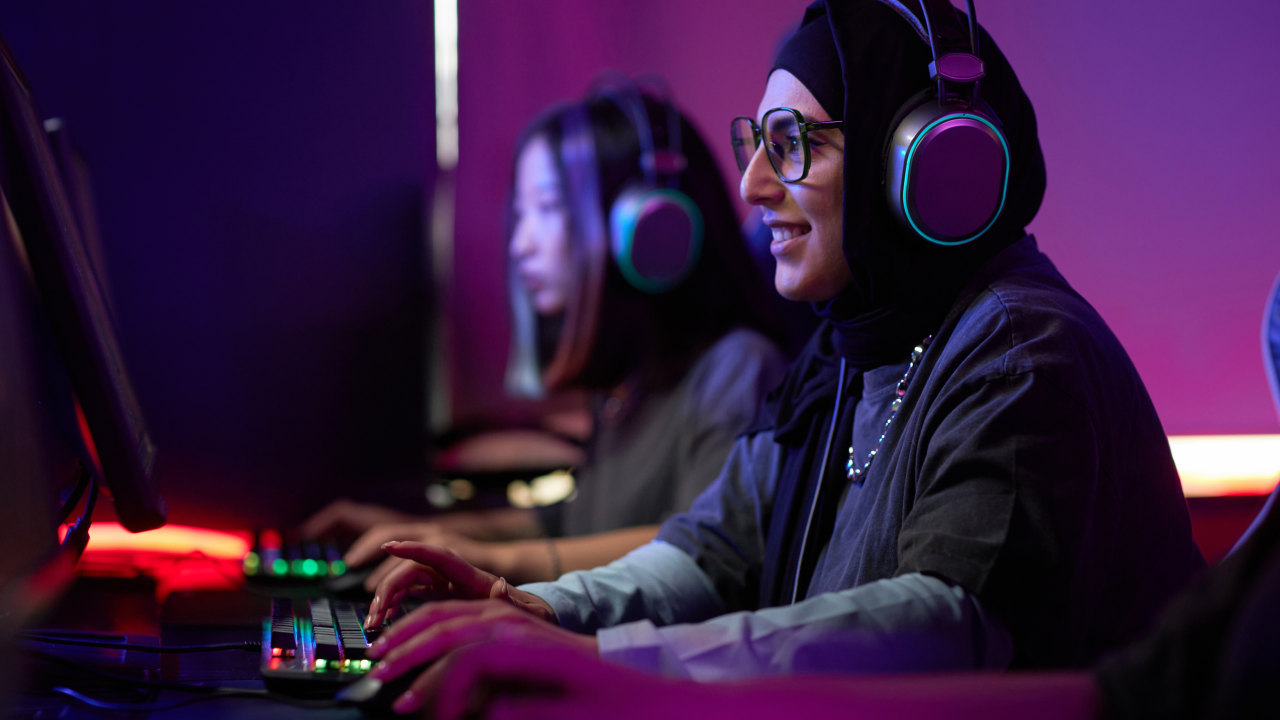
For a long time, competitive gaming existed in scattered corners of the internet — IRC channels, forum threads, and rudimentary clan websites maintained by enthusiastic volunteers. The infrastructure was inconsistent, the communities were insular, and getting involved as a newcomer often required already knowing someone on the inside.
That picture has changed substantially over the past decade. The rise of streaming platforms, faster internet infrastructure, and increasingly sophisticated community tools has made it easier than ever to organise, participate in, and sustain competitive gaming communities at scale. But scale, as it turns out, brings its own set of challenges — and not all of them are obvious.
From Hobbyist Networks to Structured Communities
The first generation of online competitive gaming communities was largely self-organised. Clans formed around shared game preferences, and competition happened through informal arrangements — players would contact each other directly, agree on a time, and hope both sides showed up with functioning connections and compatible software.
The problem with this model wasn't enthusiasm — there was plenty of that — it was consistency. Without structure, results were disputed with no recourse. Better-connected players exploited technical advantages. Scheduling fell apart. New players had no clear entry point, and the communities that did develop often calcified around a core group of early participants who shaped the culture in ways that deterred outside involvement.
The shift toward structured communities began — arguably — with the professionalisation of esports at the top level. As organisations started building formal league systems with rules, referees, and consistent scheduling, those practices gradually filtered down to amateur and community levels. Players who had watched structured competition at a professional level began expecting the same standards in the communities they participated in themselves.
What "Structured" Actually Means in Practice
It's worth being specific about what makes a competitive gaming community genuinely structured, because the term gets used loosely. There are three areas where structure makes a material difference: event administration, dispute resolution, and player development.
Event administration encompasses everything from how brackets are seeded to how match results are reported and how scheduling is communicated. Communities that handle this well tend to use dedicated software with transparent seeding mechanisms, send timely communications to participants, and maintain consistent formatting across events. Communities that don't handle it well often find themselves overwhelmed by logistical disputes that have nothing to do with gameplay.
Dispute resolution is perhaps the most consequential area. In any competitive environment, disagreements arise — about connection issues, potential rule violations, missed scheduling commitments. How a community handles these disputes determines whether its members trust the organisation, and trust, once lost, is extraordinarily difficult to rebuild. The most effective community dispute systems share a few characteristics: they're documented in advance, they're applied consistently, and they're handled by someone not directly involved in the dispute.
Player development is the area most often underserved in community gaming contexts. There's often a gap between playing casually and competing confidently, and communities that provide coaching resources, strategy content, and skill-appropriate event formats are far more effective at retaining members and expanding their player base than those that don't.
The UK Gaming Community Landscape
Within the United Kingdom specifically, competitive gaming communities have had a somewhat different trajectory than in countries where esports infrastructure developed earlier. The UK does have a meaningful history of competitive gaming — particularly around first-person shooters, real-time strategy games, and various fighting game genres — but the domestic scene has historically been less centralised and less visible than its counterparts in South Korea, the United States, or Scandinavia.
This isn't entirely a disadvantage. UK gaming communities have, to a meaningful extent, developed organically, shaped by the interests of their participants rather than being constructed top-down by commercial entities. The culture that's emerged in many of the UK's more established gaming communities tends to be relatively straightforward, practically focused, and less tolerant of the kind of performative toxicity that sometimes defines higher-profile competitive scenes.
The growth of broadband infrastructure across the UK through the 2010s and early 2020s had a significant equalising effect. Communities that had previously been limited by geography — where high-latency connections disadvantaged players outside major cities — found those limitations reduced. Regional scenes that had developed in isolation began to connect with each other. Online tournament platforms that previously weren't viable for UK players due to connectivity issues became genuinely usable.
The Role of Community Management
One factor that doesn't get discussed enough when analysing what separates thriving gaming communities from ones that stagnate or collapse is community management. The person or team responsible for day-to-day community culture — how disputes are mediated, how new members are welcomed, what standards of conduct are enforced, how feedback is received and acted upon — has an outsized influence on whether a community remains a place people want to be part of.
Good community management in a gaming context requires a combination of knowledge (understanding the games being played and the culture around them), interpersonal skill (navigating conflicts calmly and fairly), and operational consistency (showing up reliably, applying rules the same way across different situations). It's a more demanding role than it often appears from the outside, and communities that treat it as an afterthought tend to pay for that eventually.
The best-run communities typically have clear documentation of their standards before they're needed — a code of conduct that specifies what's unacceptable, a dispute process that's been published in advance, and channels for member feedback that are actually monitored. These aren't bureaucratic luxuries; they're the infrastructure that allows a community to handle conflict without losing the trust of its members.
Challenges That Remain
Despite real progress in how competitive gaming communities are structured and managed, a number of challenges remain. Accessibility is one of the most persistent. While structured communities are better than unstructured ones at onboarding new players, the gap between complete newcomer and confident competitor is still wide for many players, and not all communities have invested meaningfully in bridging it.
Sustainability is another. Running competitive gaming events at a community level requires consistent administration, which requires either volunteer time or paid resources. Communities that rely heavily on a small number of dedicated volunteers are often one burnout away from significant disruption. Building infrastructure that distributes responsibility — documentation, systems, trained moderators — is the only reliable way to address this.
Toxicity, while not unique to gaming, remains a particular challenge in competitive contexts where emotions can run high and anonymous interaction reduces social accountability. Communities that have made the most progress on this tend to be those that enforce their standards consistently from the beginning, make it clear that established members are subject to the same rules as newcomers, and cultivate a culture where calling out poor behaviour isn't seen as oversensitivity but as maintenance of a shared standard.
Where Things Are Heading
The trajectory of competitive gaming communities over the next several years will likely be shaped by a few converging factors. Tools for organising and running online competitions continue to improve, making it easier for communities to maintain the kind of operational quality that used to require significant manual effort. Communication platforms have matured, and the integration of voice, text, and event management in single spaces has made day-to-day community operation more efficient.
There's also growing awareness — both within gaming culture and in the wider public — of the importance of maintaining healthy relationships with gaming. For competitive gaming communities specifically, this means thinking carefully about how they encourage participation, how they structure incentives, and how they support members who may be spending more time competing than is good for them. The communities that navigate this thoughtfully will be better positioned to retain members long-term and attract the kind of players who treat competitive gaming as a serious but balanced part of their lives.
The growth of competitive gaming communities is not a story with a clean arc. It's an ongoing process, shaped by countless decisions made by organisers, participants, and the cultures they build together. The communities that matter — the ones people come back to month after month and year after year — are the ones that take that process seriously.